 English


0 item(s)
View cart
You have no items in your shopping cart.
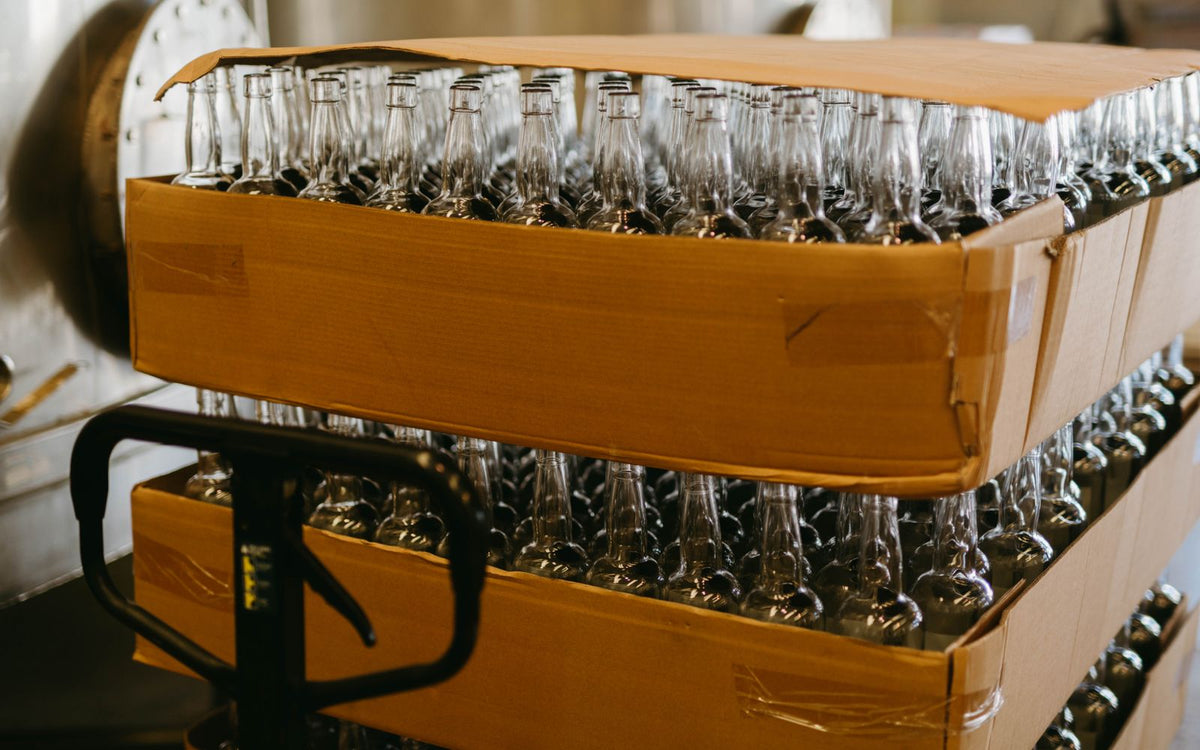
From raw material sourcing to filling and capping, we walk through the general manufacturing steps behind a finished bottle of liquid iodine.
Every bottle of liquid iodine goes through the same broad stages: sourcing qualified raw materials, checking them, making the solution under controlled conditions, testing it, filling and sealing the bottles, labeling them and keeping records that tie every bottle back to its batch. In the U.S., dietary supplements are made under the FDA's Current Good Manufacturing Practice (cGMP) rules, which set requirements for each of these stages.
Most of the world's iodine comes from Chile and Japan (see Where Does Elemental Iodine Come From?). Supplement manufacturers buy raw materials from qualified suppliers, usually to USP specifications, and each shipment arrives with the supplier's Certificate of Analysis. See What Does USP Grade Mean?
cGMP rules require manufacturers to verify incoming materials rather than relying only on paperwork. Materials are checked for identity and quality before they're released for production, and anything that doesn't meet specification is rejected.
The solution is prepared in clean equipment under a written master manufacturing record that specifies every step. Production staff follow that record and document each step in a batch record as they go. Equipment that touches the product is chosen to be compatible with iodine, which reacts with some metals and plastics.
Before a batch is bottled and released, it's tested to confirm that it meets specification: the right strength, the right appearance and no unwanted contaminants. Strength is typically measured by titration. See How Iodine Solutions Are Tested for Purity.
Approved solution is filled into clean amber glass bottles, which protect it from light (see Why Amber Glass Bottles Matter). Fill volumes are checked, and bottles are capped with dropper assemblies and sealed.
Each bottle gets a label with a Supplement Facts panel, directions, warnings and the required FDA disclaimer, plus a lot number and date. The lot number links that bottle to its batch record and test results.
Manufacturers keep batch records and retain samples from each batch. If a question ever comes up about a bottle, the lot number makes it possible to look back at exactly how that batch was made and tested.
Good manufacturing is mostly invisible: it shows up as a product that matches its label every time. Lugol's Original's iodine products are made in the USA and shipped from Brooklyn, New York, and we publish Certificates of Analysis for them. Shop our Lugol's Solution in six strengths from 2% to 20%.
Where can I see test results for a product?
Look for a Certificate of Analysis from the brand. Ours are on our COA page. Here's how to read one.
Should I talk to a doctor before starting?
Yes. Anyone considering a new supplement — especially one involving iodine — should check in with a healthcare provider first, particularly if pregnant, nursing, or managing a thyroid condition or thyroid medication.
Where can I read the full usage and dosing picture?
See our complete guide to Lugol's Solution usage and protocols.
Shop Lugol's Solution — the traditional, trusted way people have supported their iodine intake for over 200 years.
Jessica Bennett writes about clean, ingredient-conscious living for the Iodine Journal.
This article is for general educational purposes only and has not been evaluated by the FDA. It is not intended to diagnose, treat, cure, or prevent any disease, and is not a substitute for advice from a qualified healthcare provider — especially if you are pregnant, nursing, taking thyroid medication, or managing a thyroid condition.

Writes for Lugols Originals on the chemistry, history and practical use of iodine. Read the full profile ›


