 English


0 item(s)
View cart
You have no items in your shopping cart.
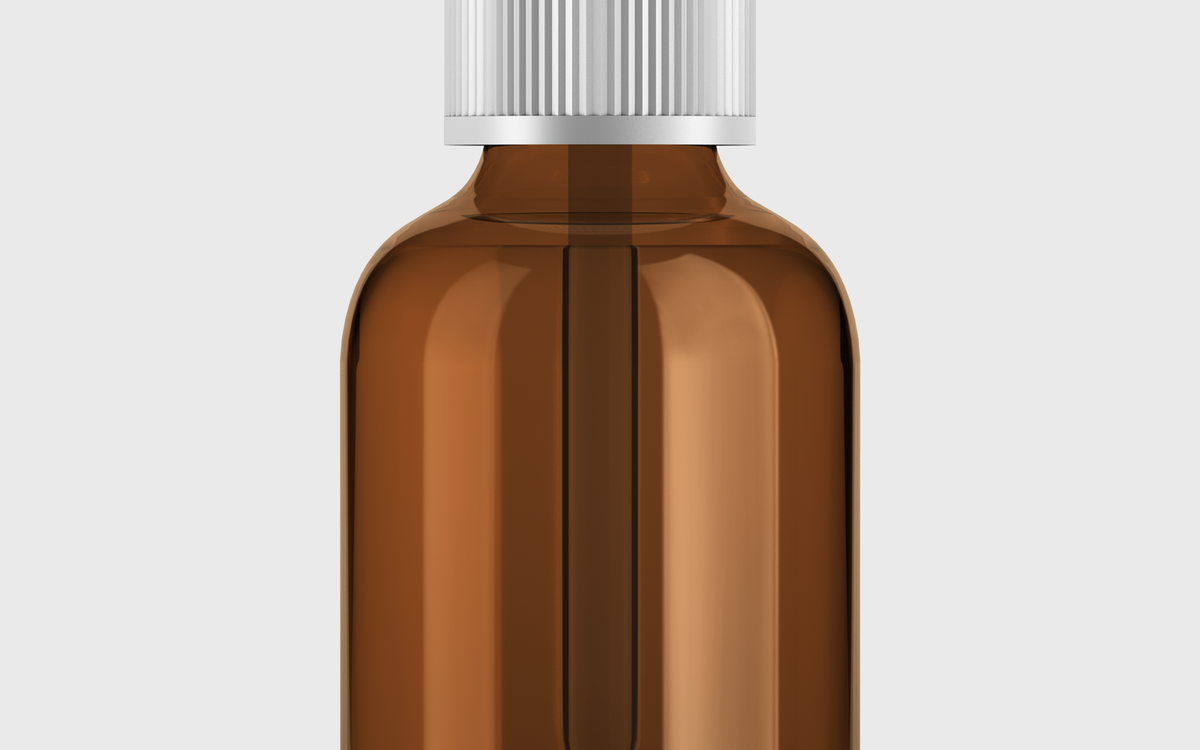
Iodine solutions are light-sensitive. We look at the science of photodegradation, why amber glass has been the standard packaging for iodine since the 1800s, and simple storage habits that keep a bottle stable for its full shelf life.
Iodine solutions absorb visible and ultraviolet light strongly. That is why they look dark amber-brown, and it is also why light is a problem for them. Light energy can drive slow chemical reactions in a solution, and over months that can lower the amount of free iodine in an exposed bottle. Heat speeds up the same kinds of reactions. The practical result is simple: iodine keeps best when it is kept away from light and heat.
Amber glass gets its color from small amounts of iron and sulfur added during manufacturing. That tint blocks most ultraviolet light and a good share of the blue end of the visible spectrum, which are the wavelengths that do the most damage to light-sensitive liquids. Clear glass lets nearly all of that light through.
Glass has a second advantage over plastic: it is chemically inert. Iodine is reactive and can interact with some plastics over time, and those plastics can stain or absorb iodine. Glass does neither. That is why pharmacies have stored iodine in amber glass since the 1800s, and why it remains the standard today. Read more about it in The Basics of Shelf-Stable Packaging.
For a full checklist, see Does Iodine Expire? How to Store Lugol's Iodine.
Every bottle of Lugol's Solution, liquid iodine and nascent iodine from Lugol's Original's ships in amber glass with a glass dropper, so the solution never sits against plastic. It is the same packaging choice pharmacists made two centuries ago, for the same reasons.
Does the amber bottle mean I can leave it in the sun?
No. Amber glass reduces light exposure but does not block it completely. Store the bottle somewhere dark and cool for the best results.
How can I tell if my bottle has degraded?
Look for a change in color intensity or clarity, and store bottles away from direct light and heat as a general precaution. If you're ever unsure about a product's condition, that's a question for the manufacturer, not a DIY diagnosis.
Where's the best place in my home to keep my bottle?
A cool, dark cabinet or drawer works well — see our full storage guide for the complete set of best practices.
Shop Lugol's Solution — the traditional, trusted way people have supported their iodine intake for over 200 years.
Arjun Malhotra writes the research- and history-focused pieces for the Iodine Journal.
This article is for general educational purposes only and has not been evaluated by the FDA. It is not intended to diagnose, treat, cure, or prevent any disease, and is not a substitute for advice from a qualified healthcare provider — especially if you are pregnant, nursing, taking thyroid medication, or managing a thyroid condition.

Writes for Lugols Originals on the chemistry, history and practical use of iodine. Read the full profile ›


