 English


0 item(s)
View cart
You have no items in your shopping cart.
A reference-style comparison of approximate iodine content across common foods like seaweed, dairy, eggs, and iodized salt.
The amounts below are approximate and are rounded from published U.S. reference data, including the National Institutes of Health Office of Dietary Supplements. Real-world iodine content varies widely with where food was grown or caught, how animals were fed and how food was processed, so treat these figures as a general guide rather than exact values. For comparison, the adult RDA is 150 micrograms (mcg) per day.
Because seaweed varies so much, it's best eaten as part of a varied diet rather than relied on as a precise source.
Dairy's iodine comes partly from cattle feed and partly from iodine-based sanitizers used on dairy equipment, so it varies by farm. Most plant-based milks contain little iodine unless fortified.
Most fruits, vegetables and grains are low in iodine, and the amount depends on the soil they grew in. Bread can contain iodine if it's made with iodized salt or certain dough conditioners, but many breads aren't. See The Iodine Cycle.
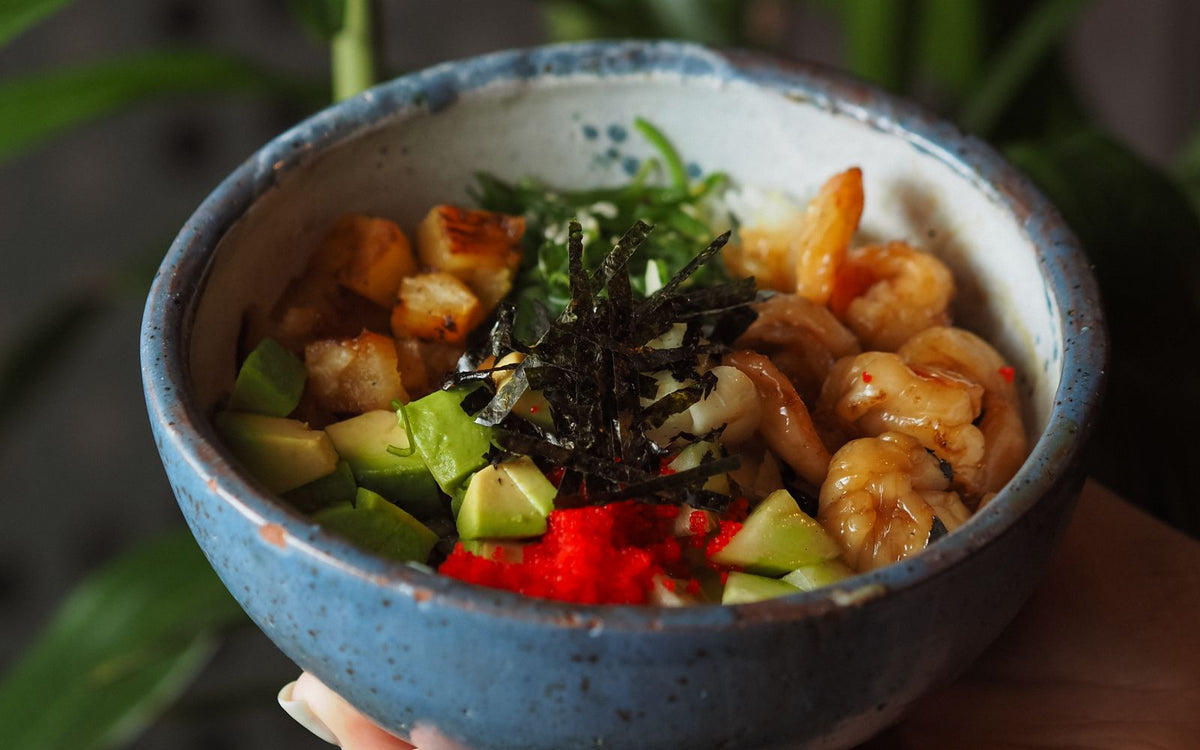
A few servings of cod, yogurt, milk, eggs or iodized salt in a day can add up quickly. Our recipe column has easy meals built around these foods, such as baked cod with lemon and dill, a Greek yogurt bowl and nori rice bowls with jammy eggs. For how food and supplements fit together, see Iodine in Food vs. Supplements.
Is it possible to get too much iodine from food?
It's uncommon from a typical diet, but large amounts of some seaweeds, especially kelp, can provide far more than the daily upper limit of 1,100 mcg for adults.
Can I get enough of this nutrient from food alone?
Diet is the primary source for most nutrients, iodine included, and dietary sources vary widely by region and food choices. A healthcare provider or registered dietitian is the right resource for questions about your specific intake.
How does food-based intake compare to a daily drop-based routine?
Both are valid approaches — see Daily Iodine Intake, Food Sources, and Supplementation, Explained for how they compare.
Shop Lugol's Solution — the traditional, trusted way people have supported their iodine intake for over 200 years.
Lauren Mitchell covers comparisons, formats, and quality questions for the Iodine Journal.
This article is for general educational purposes only and has not been evaluated by the FDA. It is not intended to diagnose, treat, cure, or prevent any disease, and is not a substitute for advice from a qualified healthcare provider — especially if you are pregnant, nursing, taking thyroid medication, or managing a thyroid condition.

Writes for Lugols Originals on the chemistry, history and practical use of iodine. Read the full profile ›


