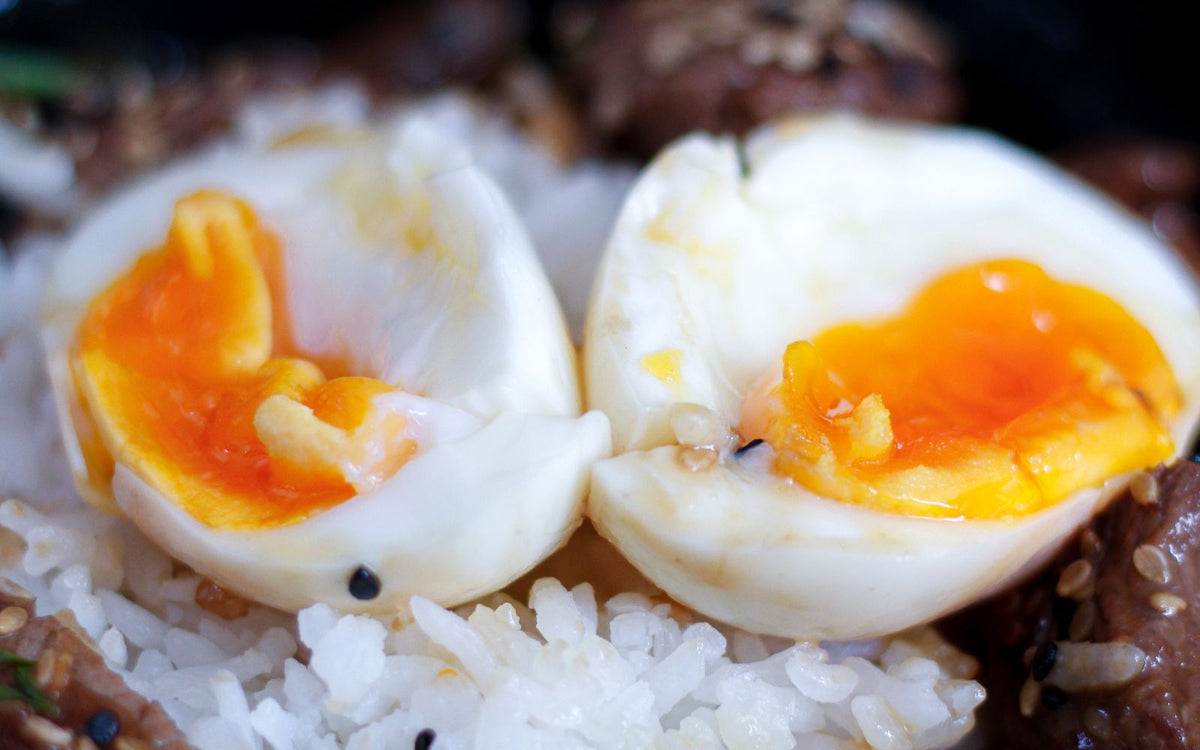
This is less a recipe than a formula: warm rice, something savory, a soft-yolked egg, and a lot of torn nori over the top. Once you have the shape of it you will make it on autopilot.
Nori is the sheet seaweed used for sushi. It is the mildest of the common seaweeds and the easiest to eat every week without ever thinking of it as health food.
Why this one is iodine-rich
Nori carries a useful amount of iodine at a much gentler concentration than kelp, which makes it a sensible everyday option rather than an occasional one. Eggs add more — the iodine in an egg is concentrated in the yolk — and a spoonful of miso or a splash of soy sauce nudges it up again.
Ingredients
Serves 2.
- 2 cups cooked short-grain rice, warm
- 2 eggs
- 3 sheets nori
- 1 tbsp soy sauce
- 1 tsp toasted sesame oil
- 1 tsp rice vinegar
- 1 avocado, sliced, or 3/4 cup diced cucumber
- 2 scallions, sliced
- Toasted sesame seeds and red pepper flakes, to finish
Method
- Bring a small pan of water to a rolling boil. Lower in the eggs straight from the fridge and cook for exactly 6 minutes 30 seconds.
- Move them immediately to a bowl of cold water for 2 minutes, then peel. The cold shock is what makes them peel cleanly.
- Mix the soy sauce, sesame oil and rice vinegar in a small bowl.
- Divide the warm rice between two bowls and spoon over half the dressing.
- Hold a sheet of nori over a gas flame or a dry hot skillet for a few seconds a side until it turns from black-green to bright green and smells toasty. Tear it into rough pieces.
- Top the rice with avocado or cucumber, the halved eggs, and a generous pile of torn nori. Finish with scallion, sesame, pepper flakes and the rest of the dressing.
Notes and swaps
-
Vegan. Swap the eggs for marinated firm tofu or edamame. You lose the egg iodine but the nori is still doing the main job.
-
Add fish. Flaked hot-smoked mackerel or a can of good tuna turns this into a proper dinner and adds another source.
-
Buy plain nori. The snack packs are usually seasoned with a lot of salt and oil. Plain sushi sheets are cheaper and more useful.
-
Storage. Nori goes limp fast once opened. Keep it in a sealed bag with the silica packet it came with.
Common questions
Is nori as strong as kelp?
No, and that is the point. Nori is far lower in iodine than kombu or kelp, which is what makes it suitable for regular eating rather than occasional use.
Can I use leftover rice?
Yes — reheat it thoroughly and only once, and keep cooked rice in the fridge rather than at room temperature.
The food-first habit
A package of nori in the pantry is one of the cheapest changes you can make to a week of lunches. If you came to iodine through Lugol's Iodine, this is the kind of small habit that keeps things steady without any thinking.
Recipes are published for general interest and are not medical or dietary advice. Iodine requirements vary from person to person, and iodine has an upper limit as well as a recommended intake. If you are pregnant, nursing, taking thyroid medication or managing a thyroid condition, speak to your healthcare provider before making significant changes to your iodine intake. These statements have not been evaluated by the Food and Drug Administration.
 English