 English


0 item(s)
View cart
You have no items in your shopping cart.
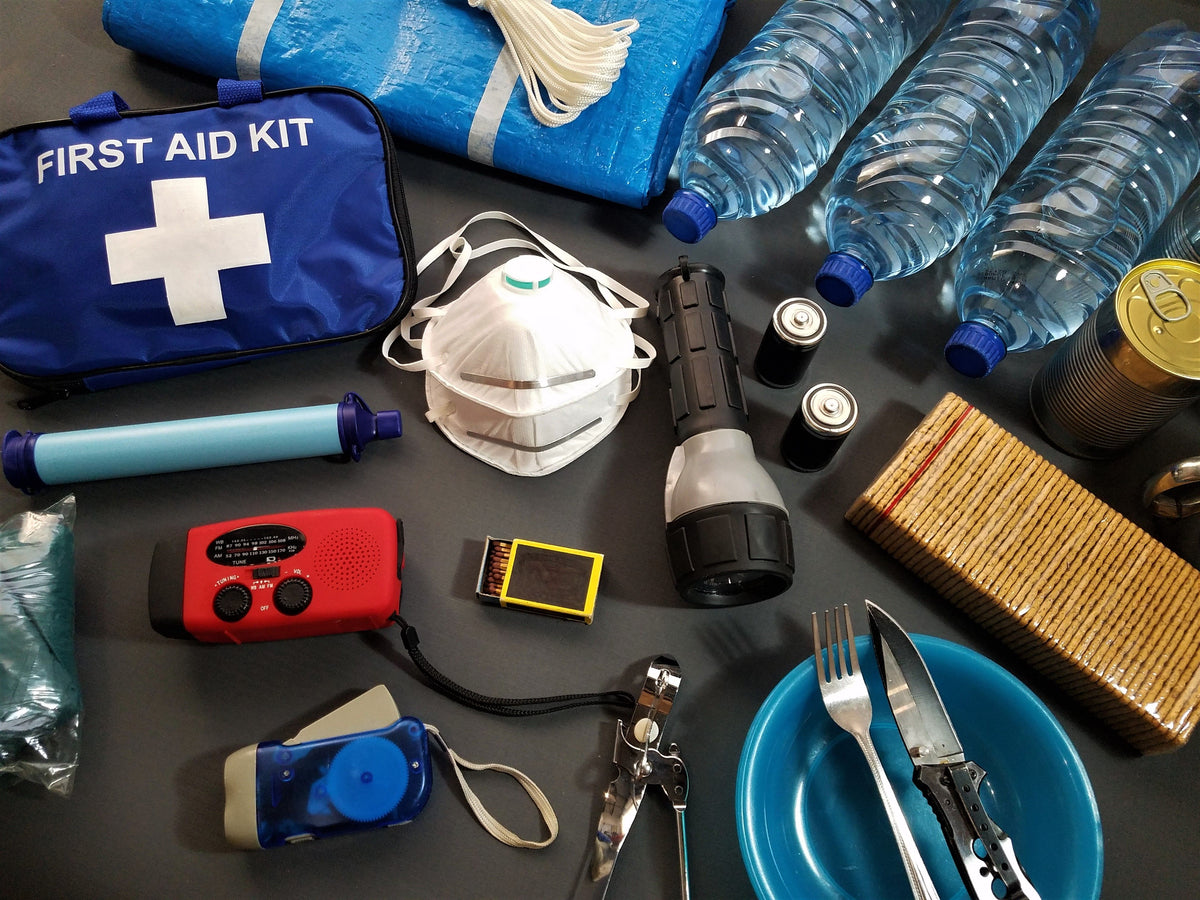
NOAA released its 2026–2027 winter outlook in October, and the headline is a very strong El Niño. That usually pushes the storm track south and east, and the outlook leans wetter than normal across the South, the Southwest and the East Coast. Heavy rain, ice and wind mean power outages, and outages and flooding can mean boil-water notices. The middle of a storm is a bad time to work out your water plan. Here's how to set one up now.
Store water first: at least one gallon per person per day for three days, plus some for pets. Then have one or two ways to make questionable tap water safe. Boiling is the most reliable method when you have heat. Unscented household bleach is the usual backup at home. A dedicated chemical treatment like iodine or chlorine dioxide, or a filter, covers you when you can't boil, such as during a power outage or away from home.
| Boiling | Household bleach | Iodine | Filter | |
|---|---|---|---|---|
| Needs power or fuel | Yes | No | No | No |
| Bacteria and viruses | Effective | Effective | Effective | Bacteria yes, viruses not with most models |
| Cryptosporidium | Effective | Not effective | Not effective | Effective |
| Wait time | Boil 1 minute (3 above 6,500 ft), then cool | About 30 minutes | About 30 minutes, longer if cold | None |
| Best for | Home with a working stove | Home backup | Go-bag, car kit, travel | Go-bag, clear water |
Effectiveness summarizes CDC guidance on making water safe in an emergency. Always follow your local boil-water notice and the instructions on the specific product you use.
A boil-water notice is easy to follow when the stove works. It's harder when the power is out, or when you're evacuating or staying somewhere else. That's where a small, shelf-stable chemical treatment earns its place. Iodine has been used to disinfect water for well over a century. It's very light, it doesn't freeze or crack like a filter can, and a crystal-based system like Polar Pure treats a lot of water from one small bottle.
The trade-offs are real. Iodine doesn't handle Cryptosporidium, the taste takes getting used to, and the CDC advises that iodine water treatment isn't for pregnant people, people with thyroid problems or a known iodine sensitivity, or for continuous use over long periods. For a household, it works best as a backup, not your only plan.
For more on how iodine compares in the field, see Iodine vs. Chlorine Dioxide vs. Filters.
No. Water treatment products are labeled and measured for disinfecting water. They aren't dietary supplements, and supplements aren't water treatment products.
Avoid floodwater if you possibly can, since it can carry fuel and chemicals that no home treatment removes. For merely cloudy tap or well water, let it settle and strain it before treating.
Commercially bottled water lasts until its printed date. Refresh home-filled containers about every six months.
See Polar Pure — an iodine-crystal water treatment bottle for emergency kits, camping and travel.
This article is for general educational purposes only and has not been evaluated by the FDA. It is not intended to diagnose, treat, cure, or prevent any disease, and is not a substitute for advice from a qualified healthcare provider — especially if you are pregnant, nursing, taking thyroid medication, or managing a thyroid condition.
Mark Donovan writes about the practical, built-to-last side of iodine for the Iodine Journal.

Writes for Lugols Originals on the chemistry, history and practical use of iodine. Read the full profile ›


