 English

0 item(s)
View cart
You have no items in your shopping cart.
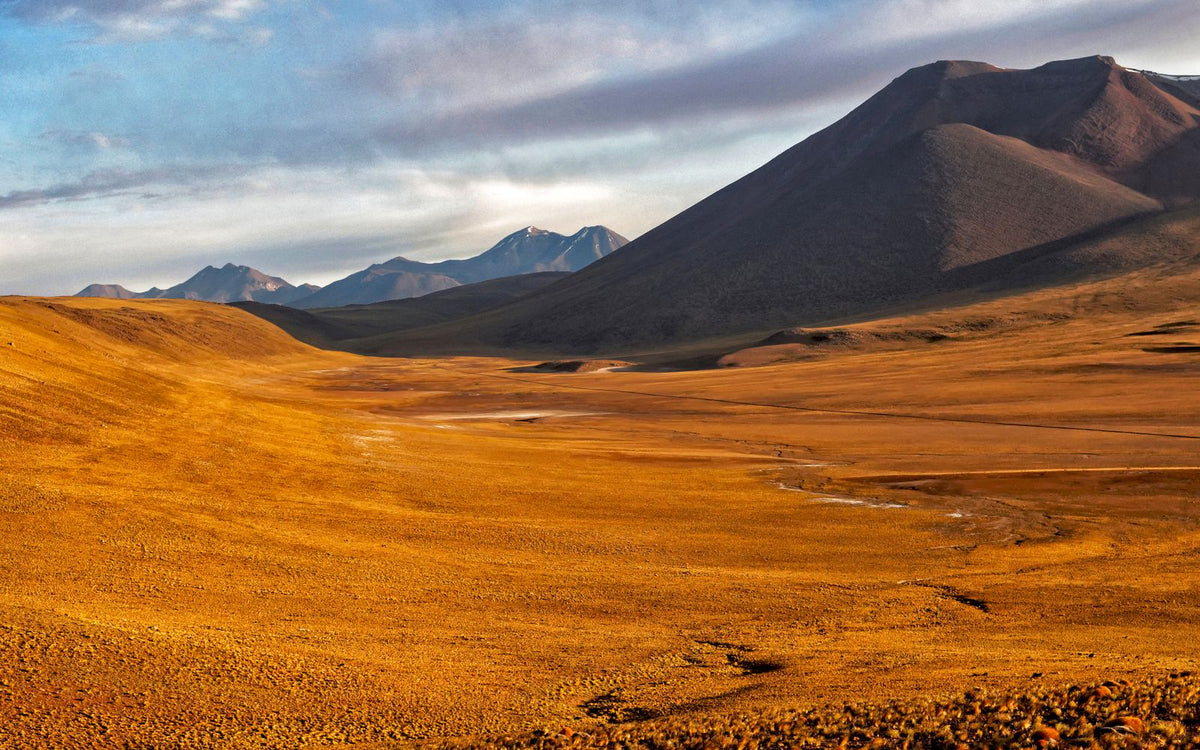
A large share of the world's iodine is extracted from caliche ore in Chile's Atacama Desert, a byproduct of nitrate mining. This post explains that extraction process.
The Atacama Desert stretches along northern Chile between the Pacific coast and the Andes. Parts of it receive almost no measurable rain for years at a time, making it one of the driest places on the planet. That extreme dryness is exactly why the region is so important for iodine: with almost no rain to wash minerals away, salts have built up in the ground over millions of years.
Caliche is a hardened, salt-rich mineral deposit found just below the desert surface. In the Atacama, it's rich in nitrates, the reason it was mined in the first place, and it also contains iodine in the form of iodate, along with sulfates and other salts. Scientists still debate exactly how so much nitrate and iodine accumulated there, but the dry climate is what preserved it.
In the 1800s, Chilean nitrate, known as saltpeter, was in huge demand as a fertilizer and for explosives. Iodine was recovered as a valuable co-product, and by the late 1800s Chile had become a major iodine source. When synthetic nitrogen fertilizers arrived in the early 20th century, the nitrate boom faded, but iodine production continued. Today Chile is the world's largest iodine producer.
The leftover solution can then be processed for nitrates and other salts, so a single operation produces several products.
Mining in one of the driest places on Earth raises real questions about water use. Producers in the region increasingly use seawater and recycled water rather than scarce fresh groundwater. Water use and environmental impact remain important topics for the industry.
Raw iodine from Chile and Japan supplies the world's needs, from medical imaging agents and disinfectants to iodized salt, animal feed and dietary supplements. Supplement-grade materials are purified and tested to USP specifications. See Where Does Elemental Iodine Come From? and How Iodine Solutions Are Tested for Purity. We also sell 99.99% pure iodine crystals for laboratory and industrial use.
Is iodine from Chile different from iodine from Japan?
Once purified, iodine is the same element regardless of where it came from. Purity and testing matter more than origin.
Does sourcing actually affect quality?
Sourcing can affect consistency and purity, which is part of why third-party testing and clear documentation matter more than marketing claims alone.
How does this raw material end up in a finished bottle?
See our complete comparison guide to see how sourcing connects to the products we carry.
Shop Lugol's Solution — the traditional, trusted way people have supported their iodine intake for over 200 years.
Arjun Malhotra writes the research- and history-focused pieces for the Iodine Journal.
This article is for general educational purposes only and has not been evaluated by the FDA. It is not intended to diagnose, treat, cure, or prevent any disease, and is not a substitute for advice from a qualified healthcare provider — especially if you are pregnant, nursing, taking thyroid medication, or managing a thyroid condition.

Writes for Lugols Originals on the chemistry, history and practical use of iodine. Read the full profile ›


