 English


0 item(s)
View cart
You have no items in your shopping cart.
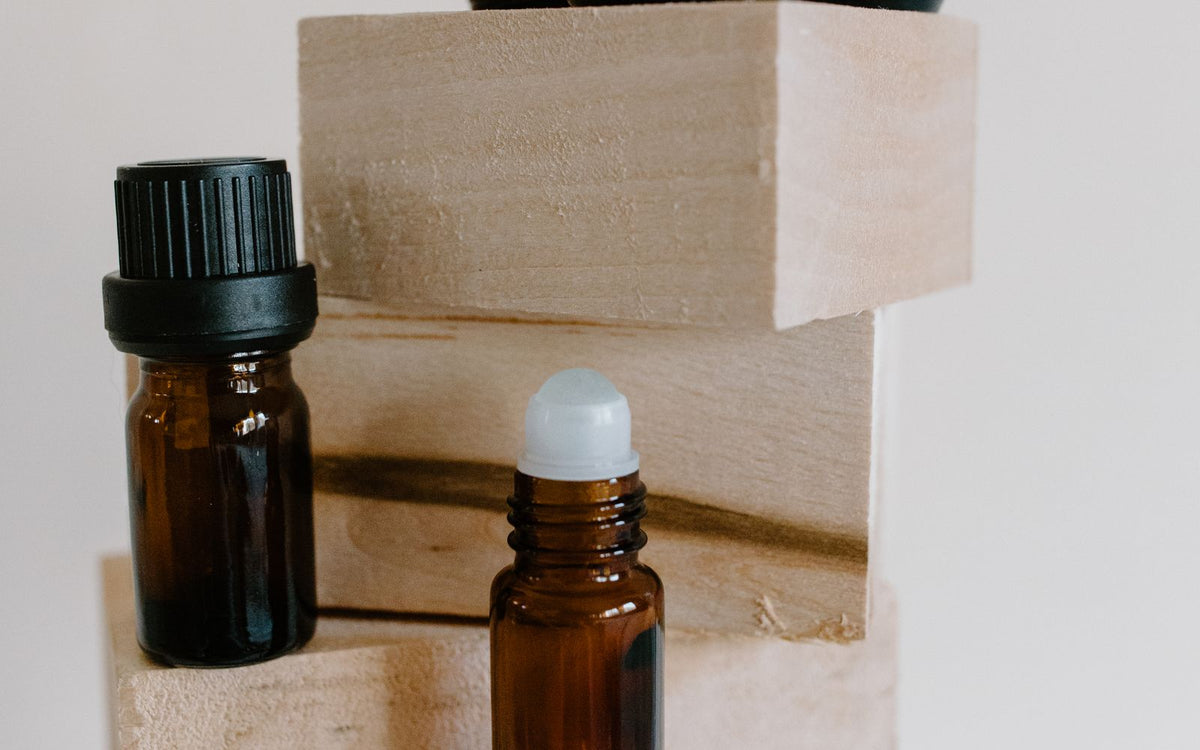
Bigger bottles aren't just about convenience — we break down the cost-per-serving math between 2oz and 4oz bottle sizes across different concentrations.
A 4oz bottle holds exactly twice as much as a 2oz bottle, about 118 mL versus 59 mL. At a given strength, the solution inside is the same: the same concentration and the same iodine per drop. The only differences are how much you get, how long it lasts and what you pay per drop.
How long a bottle lasts depends entirely on the strength and the number of drops used each day, so there's no single answer. As a general guide, a 2oz bottle is sized as roughly a 30-day supply at a typical serving, and a 4oz bottle roughly a 60-day supply. A person using fewer drops, or a higher strength that needs fewer drops, will make either bottle last longer.
Larger bottles usually cost less per drop than smaller ones because packaging, labeling and shipping costs are spread over more product. The easiest way to compare is to divide the price by the number of servings:
In most cases the 4oz bottle comes out ahead on cost per day. Multi-packs of the 2oz bottle can close the gap, so check the pack prices on each product page too.
A larger bottle stays open longer, so good storage habits matter more. Keep it tightly capped, upright and in a cool, dark place. See Does Iodine Expire? for the full checklist.
Our Lugol's Solution comes in both 2oz and 4oz bottles across its strengths. For example, the 5% 2oz and the 5% 4oz. For help choosing a size, see 2oz vs. 4oz Lugol's Iodine: Which Size to Buy.
Should I talk to a doctor before starting?
Yes. Anyone considering a new supplement — especially one involving iodine — should check in with a healthcare provider first, particularly if pregnant, nursing, or managing a thyroid condition or thyroid medication.
How many drops are in a 4oz bottle versus a 2oz bottle?
A 4oz bottle holds roughly twice the total drops of an equivalent 2oz bottle at the same concentration. For the full size comparison, see 2oz vs. 4oz Lugol's Solution: Which Size Should You Buy?
Shop Lugol's Solution — the traditional, trusted way people have supported their iodine intake for over 200 years.
Mark Donovan writes about the practical, self-reliant side of iodine sourcing and storage for the Iodine Journal.
This article is for general educational purposes only and has not been evaluated by the FDA. It is not intended to diagnose, treat, cure, or prevent any disease, and is not a substitute for advice from a qualified healthcare provider — especially if you are pregnant, nursing, taking thyroid medication, or managing a thyroid condition.

Writes for Lugols Originals on the chemistry, history and practical use of iodine. Read the full profile ›


