 English


0 item(s)
View cart
You have no items in your shopping cart.
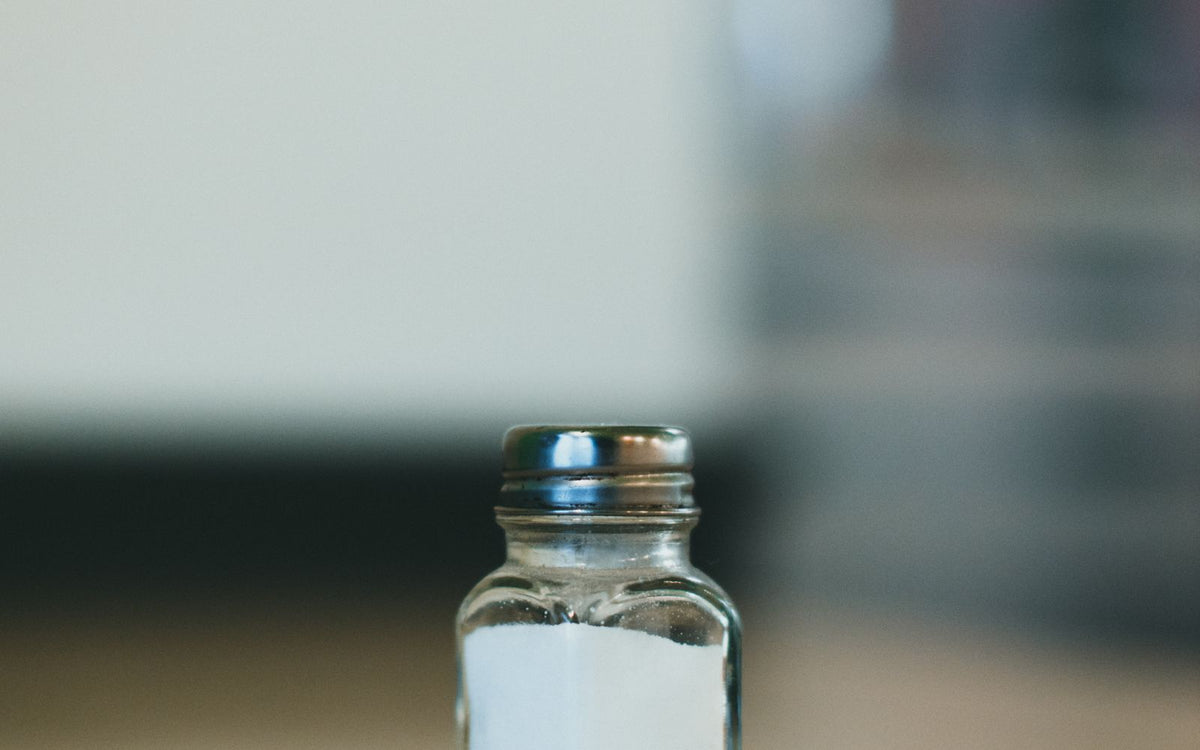
Salt iodization programs operate at a national or regional level. We explain the mechanics of how iodine gets added to table salt during production.
Public health experts chose salt as the vehicle for iodine for practical reasons. Almost everyone eats salt, in roughly similar amounts every day, regardless of income. Salt production is often concentrated in a relatively small number of facilities, so adding iodine at the source reaches a large population. And iodizing salt is inexpensive, adding only a tiny cost per person each year.
The goal in every case is even distribution, so every spoonful contains a similar amount of iodine.
The WHO recommends that salt at the point of production contain about 20–40 milligrams of iodine per kilogram of salt, adjusted for local salt intake and losses during storage. Countries set their own standards based on that guidance.
Many countries require all food-grade salt to be iodized. Others, including the United States and the United Kingdom, rely on voluntary iodization or none. In the U.S., iodized salt is widely available, but non-iodized salt is sold alongside it, and the salt used in most processed food isn't iodized. See A Short History of Iodized Salt in the U.S.
Since the WHO and UNICEF called for universal salt iodization in 1993, most of the world's households have gained access to iodized salt, and the number of countries with population-wide iodine shortfalls has dropped sharply. See Iodine Deficiency Disorders: A Global Public Health History.
Check the label: only salt marked "iodized" contains added iodine. Sea salt, kosher salt and pink salt usually don't. Keep iodized salt in a closed container away from heat and humidity to preserve its iodine. For other sources, see our iodine-rich foods list.
Does iodized salt lose iodine over time?
Some iodine can be lost through heat, humidity and long storage, especially with potassium iodide. Storing salt in a closed container in a cool, dry place helps.
Can I get enough of this nutrient from food alone?
Diet is the primary source for most nutrients, iodine included, and dietary sources vary widely by region and food choices. A healthcare provider or registered dietitian is the right resource for questions about your specific intake.
How does fortified salt compare to a daily drop-based routine?
See Daily Iodine Intake, Food Sources, and Supplementation, Explained.
Shop Lugol's Solution — the traditional, trusted way people have supported their iodine intake for over 200 years.
Mark Donovan writes about the practical, self-reliant side of iodine sourcing and storage for the Iodine Journal.
This article is for general educational purposes only and has not been evaluated by the FDA. It is not intended to diagnose, treat, cure, or prevent any disease, and is not a substitute for advice from a qualified healthcare provider — especially if you are pregnant, nursing, taking thyroid medication, or managing a thyroid condition.

Writes for Lugols Originals on the chemistry, history and practical use of iodine. Read the full profile ›


