 English


0 item(s)
View cart
You have no items in your shopping cart.
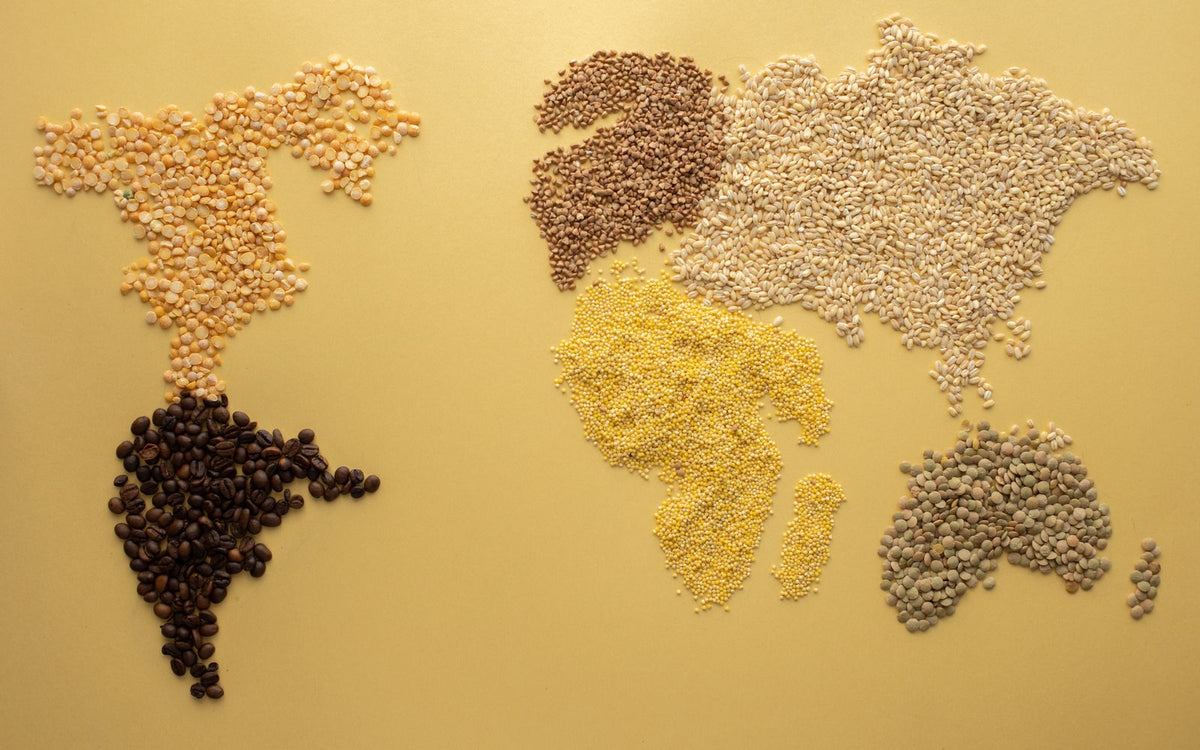
Iodine intake varies dramatically by country and diet, largely due to soil iodine content and food traditions. This post compares dietary patterns across several regions and what drives the differences.
Iodine is unevenly distributed across the planet. Most of it sits in the oceans, and it reaches land through rain and sea spray. Areas near the coast tend to have more iodine in their soil, while mountainous and inland regions, especially those once covered by glaciers or prone to flooding, tend to have less. Crops and livestock in low-iodine regions carry less iodine into the food supply. On top of geography, two human factors shape intake: food traditions and public health policy.
Today, policy often matters more than geography. Since the 1990s, the World Health Organization and UNICEF have promoted universal salt iodization, and most countries now have salt iodization programs. That effort has sharply reduced the number of countries with population-wide iodine shortfalls. Read more in How Fortification Programs Actually Work and Iodine Deficiency Disorders: A Global Public Health History.
Because the body excretes most of the iodine it takes in through urine, researchers measure population iodine status by testing urinary iodine across a large sample of people. A single person's result varies a lot from day to day, so this method works for describing populations rather than individuals.
National averages don't tell any one person what they're getting. Someone in a well-supplied country can still have low intake if they avoid dairy, eggs, seafood and iodized salt, and someone who eats a lot of seaweed may take in far more than average. Looking at your own diet is the most useful starting point. Our daily iodine intake guide explains how much is recommended and where it comes from.
Can I get enough of this nutrient from food alone?
Diet is the primary source for most nutrients, iodine included, and dietary sources vary widely by region and food choices. A healthcare provider or registered dietitian is the right resource for questions about your specific intake.
How do I know if my own intake is on the lower end?
See our complete guide to iodine deficiency for signs, causes, and how it's assessed.
Shop Lugol's Solution — the traditional, trusted way people have supported their iodine intake for over 200 years.
Lauren Mitchell covers comparisons, formats, and quality questions for the Iodine Journal.
This article is for general educational purposes only and has not been evaluated by the FDA. It is not intended to diagnose, treat, cure, or prevent any disease, and is not a substitute for advice from a qualified healthcare provider — especially if you are pregnant, nursing, taking thyroid medication, or managing a thyroid condition.

Writes for Lugols Originals on the chemistry, history and practical use of iodine. Read the full profile ›


