 English

0 item(s)
View cart
You have no items in your shopping cart.
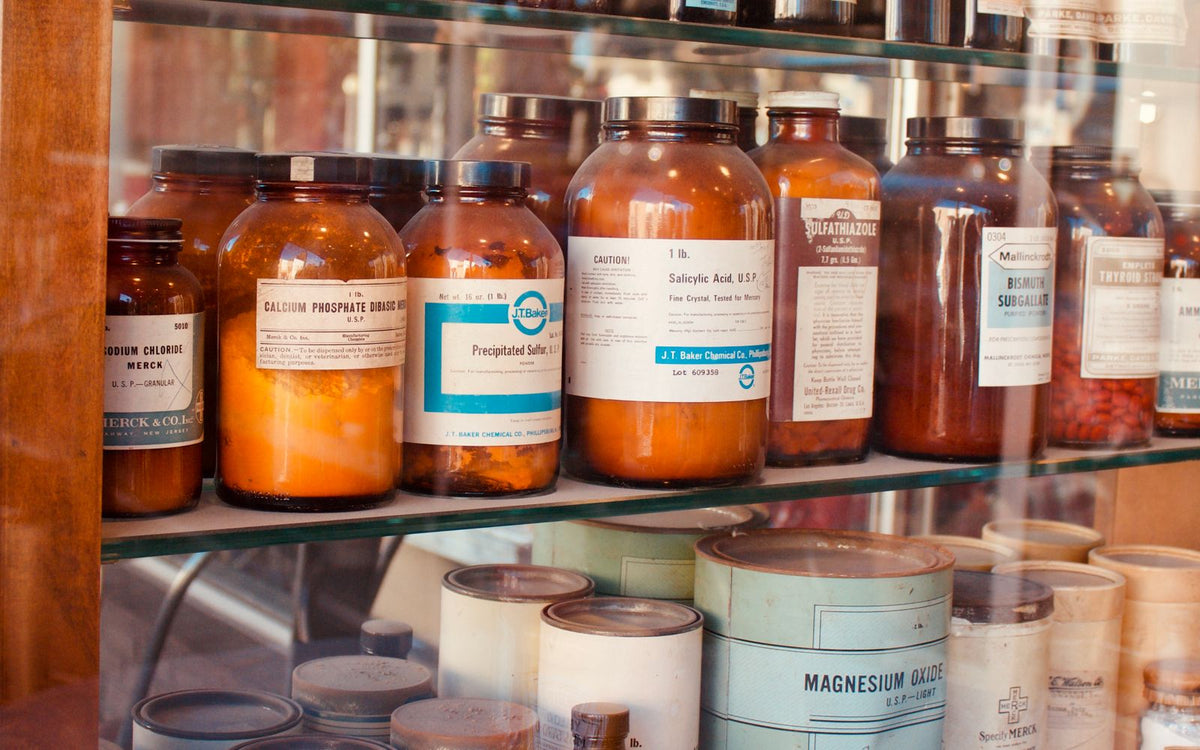
Long before it appeared in supplement form, iodine tincture was a staple of field medicine and antiseptic practice. This post traces that historical use case, distinct from dietary supplementation.
Iodine was discovered in 1811, and within a few decades physicians had found that it was useful outside the body as well as in it. The key was alcohol. Iodine dissolves poorly in water but well in alcohol, so the first widely used topical preparation was tincture of iodine: iodine dissolved in alcohol, often with some iodide added. It was cheap, easy to make in a pharmacy and stable enough to carry. See Iodine Tincture vs. Iodine Solution for how it differs from a water-based solution.
Iodine tincture saw heavy use during the American Civil War, decades before germ theory was widely accepted. Surgeons used it on the skin around wounds, even if they didn't yet fully understand why it helped. After Louis Pasteur and Joseph Lister's work on microbes and antiseptic surgery in the 1860s, iodine's role became better understood, and it became a standard antiseptic.
In the early 1900s, painting the skin with iodine before surgery became common practice. By World War I, small iodine ampoules were part of soldiers' field kits, and iodine stayed in military first-aid supplies through World War II.
Through much of the 20th century, a small brown bottle of iodine sat in household medicine cabinets. Many people remember the sting of the alcohol and the orange-brown stain it left on the skin. Iodine also gave rise to milder relatives:
Molecular iodine is a reactive element. It readily reacts with proteins and other molecules on the surface of microbes, which is what made it useful as a topical antiseptic. That same reactivity is why tinctures could irritate and stain skin, and why newer forms like povidone-iodine were developed to release iodine more gently.
It's important to keep the two uses separate. Tinctures and antiseptic products are made for external use and are not meant to be swallowed. Dietary iodine is a nutrient the thyroid needs in small amounts, measured in micrograms, from food or a supplement designed to be taken by mouth. Products made for one purpose shouldn't be used for the other. Always follow the label.
Iodine's long run in medicine is part of why it's so well studied today, and why its chemistry is so well understood. For more of that story, see A Timeline: Iodine's Discovery to Modern Supplementation and The History of Lugol's Iodine.
Can a skin tincture be taken by mouth?
No. Topical iodine products are formulated for external use only. Only products labeled as dietary supplements and intended for oral use should be taken by mouth, and only as directed on the label.
Is this historical formula still relevant, or just a marketing story?
It's both. The historical formula has held up because the underlying chemistry works, not just because it's old — but longevity alone isn't a health claim, and any supplement decision should be made with your own health context in mind.
How is dietary iodine supplementation different from this historical use?
See our complete guide to Lugol's Solution usage and protocols for how it's used today.
Shop Lugol's Solution — the traditional, trusted way people have supported their iodine intake for over 200 years.
Mark Donovan writes about the practical, self-reliant side of iodine sourcing and storage for the Iodine Journal.
This article is for general educational purposes only and has not been evaluated by the FDA. It is not intended to diagnose, treat, cure, or prevent any disease, and is not a substitute for advice from a qualified healthcare provider — especially if you are pregnant, nursing, taking thyroid medication, or managing a thyroid condition.

Writes for Lugols Originals on the chemistry, history and practical use of iodine. Read the full profile ›


