 English


0 item(s)
View cart
You have no items in your shopping cart.
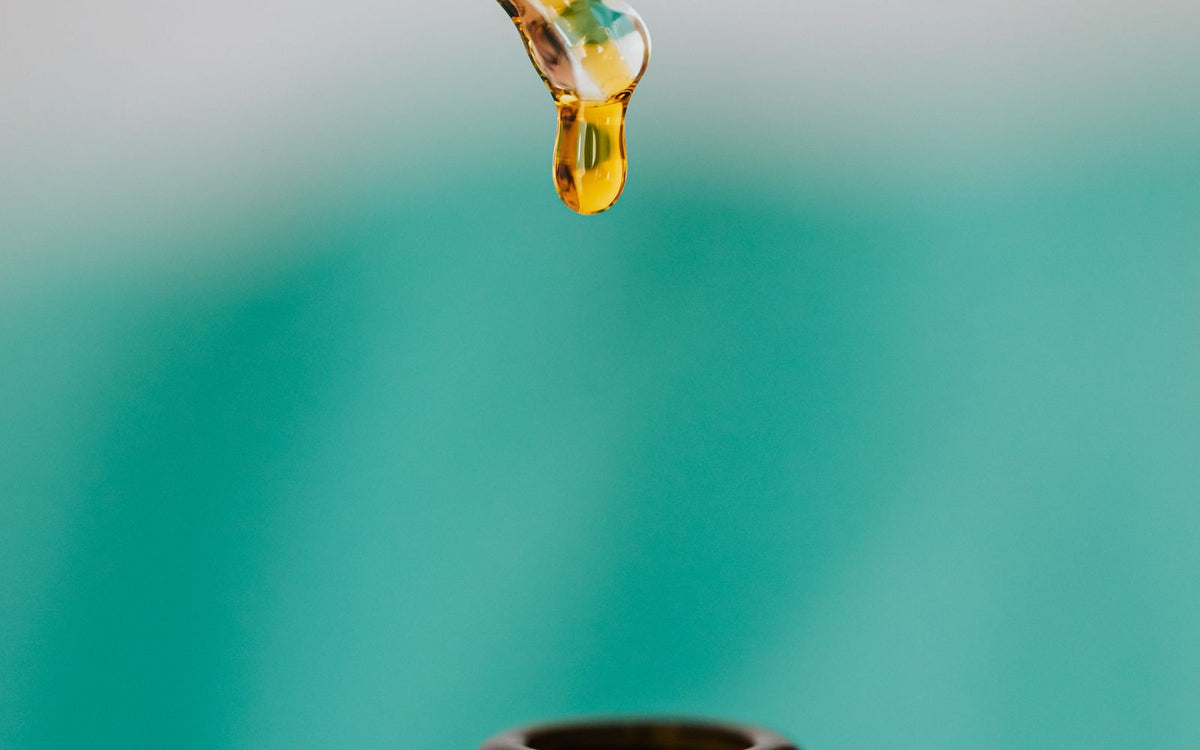
Not every dropper delivers exactly the same drop volume. This post explains why drop size can vary slightly between manufacturers and why label instructions matter more than assumptions.
A teaspoon and a milliliter are fixed measurements. A drop isn't. Its size depends on the dropper, the liquid and the person using it. A common rule of thumb is about 20 drops per milliliter, or 0.05 mL per drop, but real droppers can deliver noticeably more or less than that.
See What Makes a Dropper Calibrated?
The same dropper produces different drops with different liquids. Surface tension holds a drop on the tip; the drop's weight pulls it away. Liquids with lower surface tension, like alcohol-based tinctures, form smaller drops. Thicker liquids, like glycerin-based products, drip more slowly and can form different-sized drops than water-based solutions. That's one reason drop counts aren't interchangeable between product types. See Why Some Iodine Drops Use Glycerin.
Our Lugol's Solution comes in amber glass bottles with glass droppers, and our drop-to-milligram reference is based on our own bottles. If your dropper chips or breaks, a replacement glass dropper fits our 1oz and 2oz bottles. For more, see How Glass Dropper Bottles Are Manufactured.
How can I check my dropper's drop size?
One simple way is to count how many drops it takes to fill a small graduated measure, such as 1 mL. That gives a rough idea of drops per milliliter for that dropper and liquid.
Should I talk to a doctor before starting?
Yes. Anyone considering a new supplement — especially one involving iodine — should check in with a healthcare provider first, particularly if pregnant, nursing, or managing a thyroid condition or thyroid medication.
Where do I find exact drop-to-mg numbers for my specific bottle?
See our drop-to-milligram conversion reference.
Shop Lugol's Solution — the traditional, trusted way people have supported their iodine intake for over 200 years.
Arjun Malhotra writes the research- and history-focused pieces for the Iodine Journal.
This article is for general educational purposes only and has not been evaluated by the FDA. It is not intended to diagnose, treat, cure, or prevent any disease, and is not a substitute for advice from a qualified healthcare provider — especially if you are pregnant, nursing, taking thyroid medication, or managing a thyroid condition.

Writes for Lugols Originals on the chemistry, history and practical use of iodine. Read the full profile ›


