 English


0 item(s)
View cart
You have no items in your shopping cart.
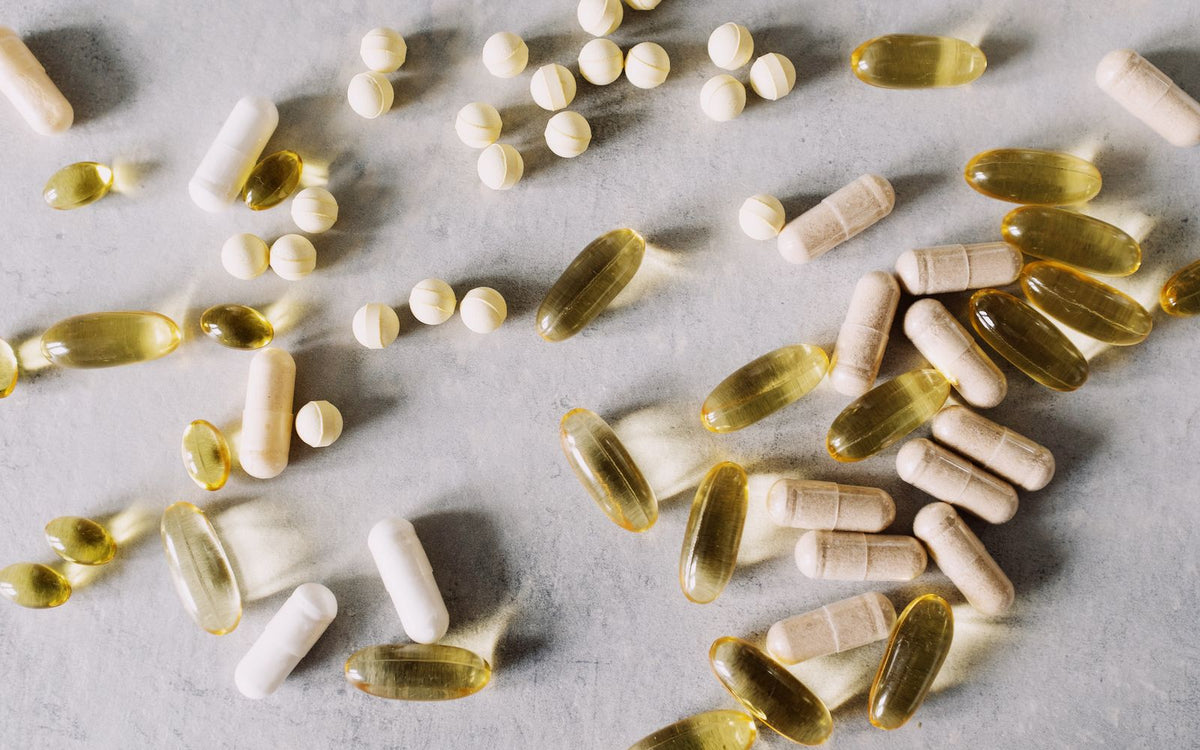
Liquid drops, tablets, and capsules each deliver iodine differently. We compare the format differences in terms of dosing flexibility, shelf life, and manufacturing.
Iodine supplements come in three common formats: liquid drops, tablets and capsules. All three can supply iodine; they differ in how precisely you can adjust the amount, how easy they are to take, how they taste and how they're made.
The right format depends on what matters most. People who want to adjust their intake in small steps, or who prefer fewer added ingredients, often choose drops. People who want something quick with no taste often prefer tablets or capsules. In every case, compare the amount of iodine per serving on the Supplement Facts panel (see How to Read a Supplement Facts Panel), check for testing (see How to Read a COA) and talk with a healthcare provider.
Lugol's Original's makes liquid iodine drops in three styles: Lugol's Solution, liquid iodine and nascent iodine.
Are drops absorbed differently than tablets?
Iodine from foods and most supplement formats is generally well absorbed. Format affects convenience and flexibility more than whether iodine is absorbed.
Which option is 'better'?
There isn't a single universal answer — the right choice depends on personal preference, budget, and guidance from a healthcare provider, not a one-size-fits-all recommendation.
How do liquid drops compare specifically across our product lines?
See our complete comparison guide.
Shop Lugol's Solution — the traditional, trusted way people have supported their iodine intake for over 200 years.
Lauren Mitchell covers comparisons, formats, and quality questions for the Iodine Journal.
This article is for general educational purposes only and has not been evaluated by the FDA. It is not intended to diagnose, treat, cure, or prevent any disease, and is not a substitute for advice from a qualified healthcare provider — especially if you are pregnant, nursing, taking thyroid medication, or managing a thyroid condition.

Writes for Lugols Originals on the chemistry, history and practical use of iodine. Read the full profile ›


