 English


0 item(s)
View cart
You have no items in your shopping cart.
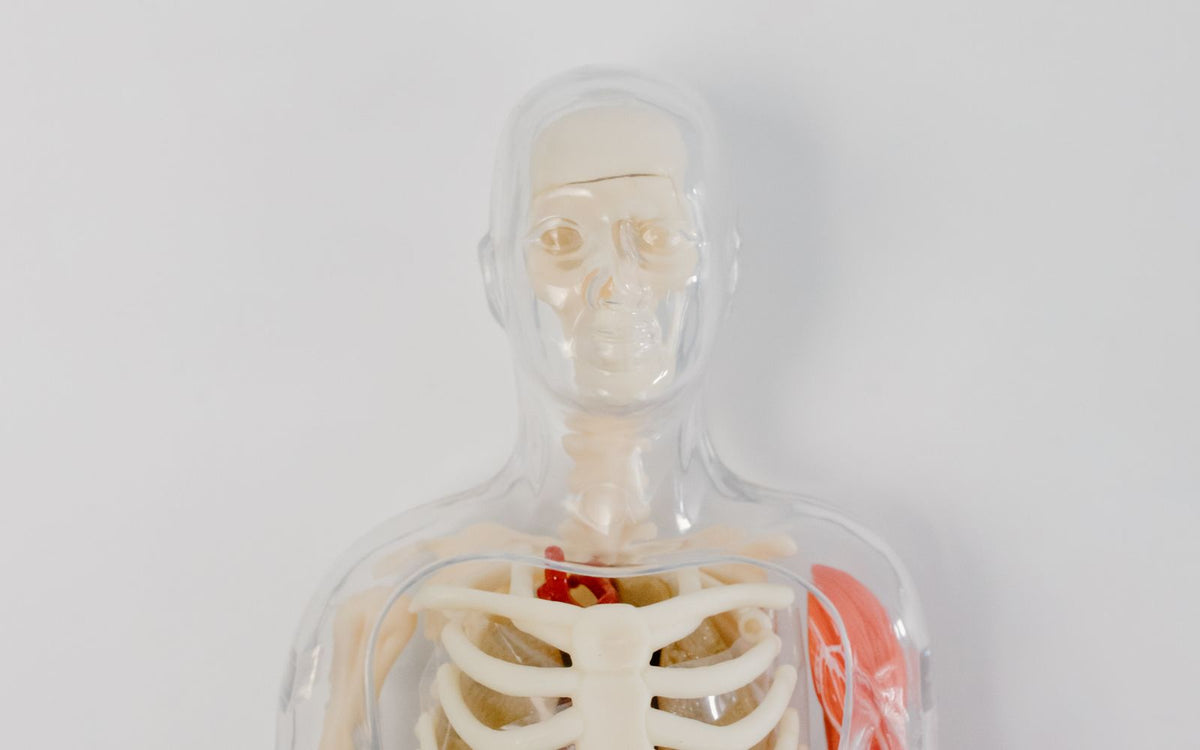
Understanding thyroid health means understanding two very different conditions — and knowing the difference is what lets you support your body confidently and correctly.
Hypothyroidism (an underactive thyroid) is where strong, consistent iodine intake matters most, since deficiency is a well-known contributing factor. Hyperthyroidism (an overactive thyroid) is a distinct condition with different underlying causes, and it's the one situation where your doctor may want to manage your iodine intake carefully. Knowing which category you're in — through a simple conversation with your healthcare provider — is the key to supporting your thyroid the right way.
An underactive thyroid produces too little hormone. Iodine deficiency is one of the best-known contributing factors, which is exactly why keeping intake strong and consistent is such a foundational piece of thyroid wellness for most people.
An overactive thyroid produces too much hormone, typically driven by autoimmune activity (like Graves' disease) or thyroid nodules — causes unrelated to iodine deficiency. If you have hyperthyroidism or certain thyroid nodules, your doctor may recommend managing iodine intake specifically for your situation, since this is the one case where the usual "keep intake strong" guidance gets tailored.
For the vast majority of people focused on general thyroid wellness, consistent iodine intake is a genuinely foundational habit. If you have a diagnosed thyroid condition of any kind, loop in your healthcare provider so your intake is dialed in specifically for you.
Hypothyroidism means the thyroid produces too little hormone; hyperthyroidism means it produces too much. They have different causes and are managed differently.
Absolutely — for the general population, strong and consistent iodine intake is one of the most foundational things you can do for thyroid wellness.
Work directly with your healthcare provider to tailor your iodine intake to your specific diagnosis — they can help you get the details right for your situation.
Shop Lugol's Solution — the traditional, trusted way people have supported their iodine intake for over 200 years.
This article is for general educational purposes only and has not been evaluated by the FDA. It is not intended to diagnose, treat, cure, or prevent any disease, and is not a substitute for advice from a qualified healthcare provider — especially if you are pregnant, nursing, taking thyroid medication, or managing a thyroid condition.
Arjun Malhotra explains the relationship between iodine and thyroid conditions for the Iodine Journal.
This article is part of our complete guide to iodine, thyroid function, and cellular health.

Writes for Lugols Originals on the chemistry, history and practical use of iodine. Read the full profile ›


