 English


0 item(s)
View cart
You have no items in your shopping cart.
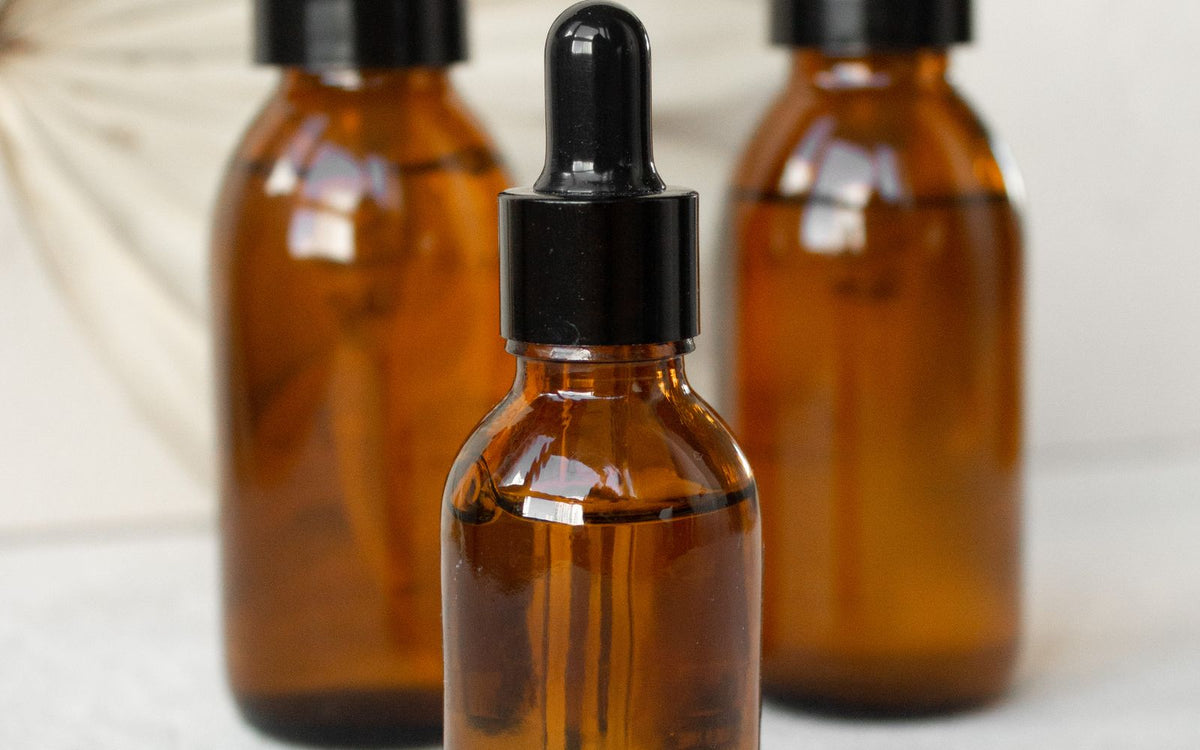
Not all liquid iodine labels present information the same way. This post compares common labeling conventions across the category and what to look for.
Every U.S. dietary supplement must carry a Supplement Facts panel, so the basic format is consistent. But liquid iodine brands make different choices about how they describe strength, what they call a serving and how they name their products. Two bottles that look similar can deliver very different amounts of iodine.
Many liquid iodine products advertise a percentage on the front of the bottle, such as 2% or 5%. That describes concentration, not how much iodine you get. The Supplement Facts panel shows the actual amount of iodine per serving, in micrograms (mcg) or milligrams (mg). Always compare that number. See Reading Your Bottle's Percentage Label.
One brand's serving may be a single drop; another's may be several drops or a fraction of a milliliter. A product listing a large amount "per serving" may simply define a bigger serving. Divide the amount per serving by the number of drops to compare per-drop strength.
Iodine labels use both units. One milligram equals 1,000 micrograms. A product listing "6.25 mg" and one listing "150 mcg" are more than 40-fold apart. Double-check units before comparing.
The Daily Value for iodine on U.S. labels is 150 mcg for adults. Concentrated liquid iodine often shows a %DV well over 100%. That's normal for the category, but it's a reason to follow the label and talk to a healthcare provider about the right amount.
See Liquid Iodine vs. Lugol's Iodine and Nascent Iodine 101.
The "Other ingredients" line tells you the base liquid and anything else added. Compare these when taste or specific ingredients matter to you.
Supplements can describe how a nutrient supports normal body function, but they can't claim to diagnose, treat, cure or prevent disease. Labels or ads making those claims are a red flag. So are vague superlatives that can't be checked.
At Lugol's Original's, each strength of our Lugol's Solution has its own label with the amount per serving, and we publish our Certificates of Analysis.
What's the single most important number on an iodine label?
The amount of iodine per serving on the Supplement Facts panel, along with what the serving size is.
Should I talk to a doctor before starting?
Yes. Anyone considering a new supplement — especially one involving iodine — should check in with a healthcare provider first, particularly if pregnant, nursing, or managing a thyroid condition or thyroid medication.
How do our own labels compare across product lines?
See our complete comparison guide.
Shop Lugol's Solution — the traditional, trusted way people have supported their iodine intake for over 200 years.
Arjun Malhotra writes the research- and history-focused pieces for the Iodine Journal.
This article is for general educational purposes only and has not been evaluated by the FDA. It is not intended to diagnose, treat, cure, or prevent any disease, and is not a substitute for advice from a qualified healthcare provider — especially if you are pregnant, nursing, taking thyroid medication, or managing a thyroid condition.

Writes for Lugols Originals on the chemistry, history and practical use of iodine. Read the full profile ›


