 English


0 item(s)
View cart
You have no items in your shopping cart.
"Just get the 5%, it's stronger" is common advice — but with a formula this trusted, dialing in the right strength for you matters more than defaulting to the biggest number.
2% Lugol's Solution delivers about 2.5mg of iodine/iodide per drop, while 5% delivers about 6.25mg per drop. The 2% is ideal for precise, confident dosing when you're getting started; the 5% is the efficient choice once you know your target and want fewer drops per serving.
| Concentration | Approx. mg per drop | Best For |
|---|---|---|
| 2% Lugol's Solution | ~2.5mg | Getting started with confident, precise dosing |
| 5% Lugol's Solution | ~6.25mg | Fewer drops, once you know your routine |
Both strengths come from the same trusted Lugol's Solution collection and use identical dilution ratios — the only variable is how much iodine is packed into each drop.
Choose your strength
Ready to pick your bottle?
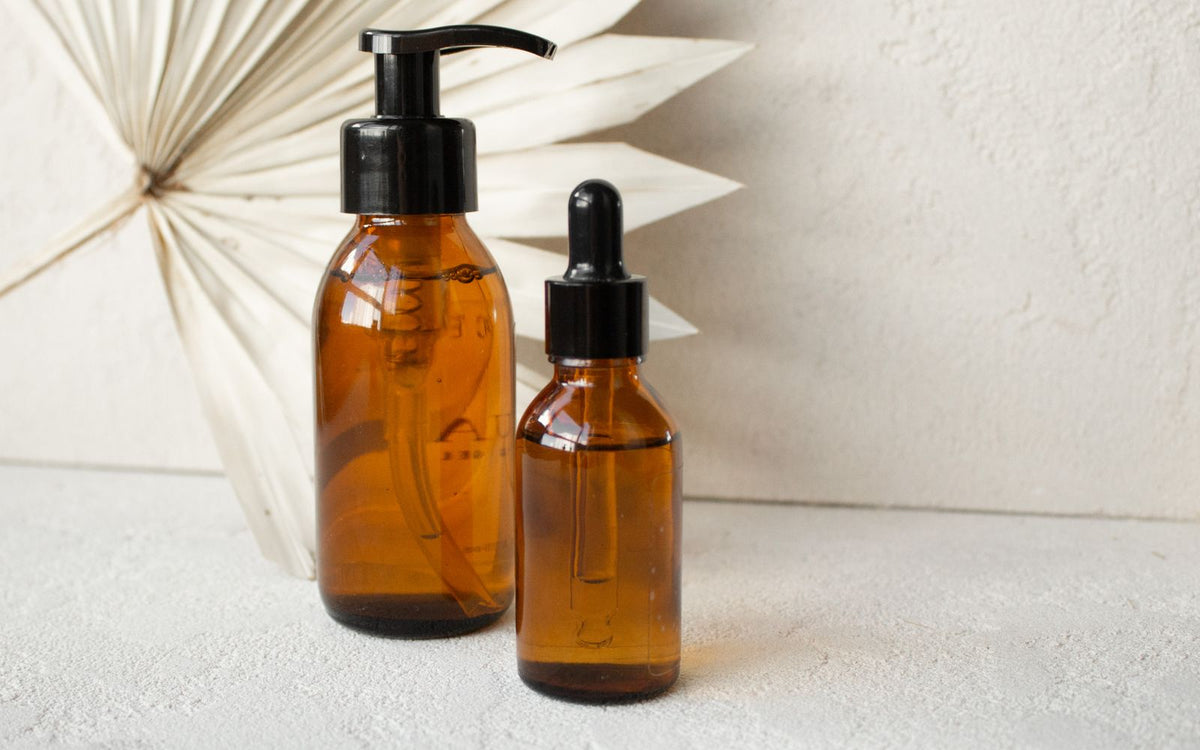
Made in the U.S.A. in amber glass dropper bottles. 2% gives the finest control per drop; 5% is the classic strength.
Start with the 2% if you're new to iodine drops — it lets you adjust your dose in smaller, confident increments. Move to the 5% once you know your target dose and want fewer drops per serving.
Two and a half times. The percentage reflects the concentration of the solution, so one drop of 5% (about 6.25mg) delivers 2.5 times the iodine of one drop of 2% (about 2.5mg).
You can, but many people find the 2% easier to dose accurately when working with smaller amounts, since each drop is about 2.5mg instead of 6.25mg — it's a great way to build confidence with your routine.
Shop Lugol's Solution — the traditional, trusted way people have supported their iodine intake for over 200 years.
This article is for general educational purposes only and has not been evaluated by the FDA. It is not intended to diagnose, treat, cure, or prevent any disease, and is not a substitute for advice from a qualified healthcare provider — especially if you are pregnant, nursing, taking thyroid medication, or managing a thyroid condition.
Ryan Whitfield writes about iodine dosing and protocol basics for the Iodine Journal.
This article is part of our complete comparison guide to Lugol's Solution, Liquid Iodine, and Nascent Iodine.

Writes for Lugols Originals on the chemistry, history and practical use of iodine. Read the full profile ›


